
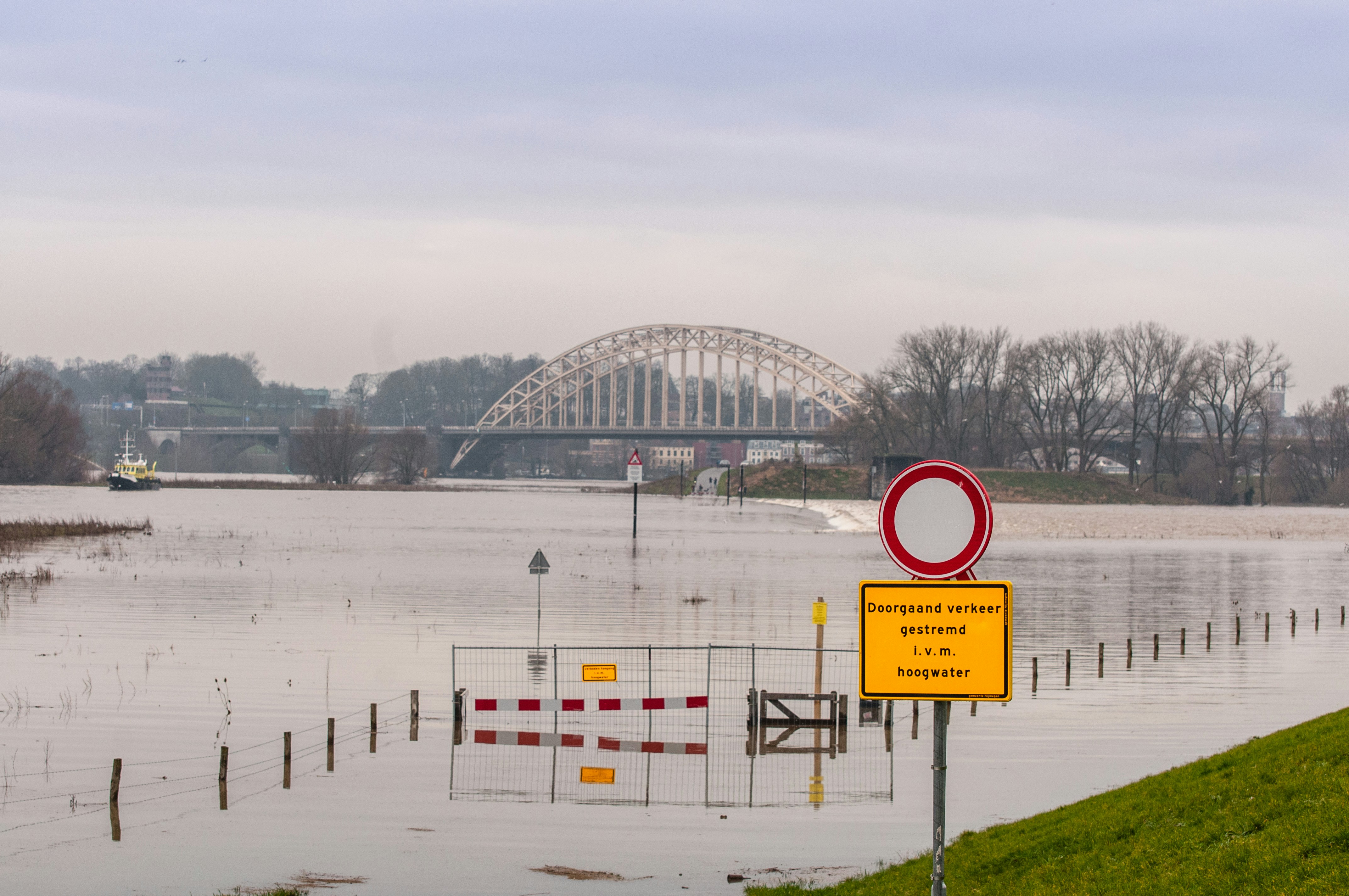
The Increasing Threat of Flooding
The frequency and intensity of flooding events have significantly escalated in recent years, presenting an urgent challenge for cities around the globe. According to the latest assessments by the Intergovernmental Panel on Climate Change (IPCC), climate change is projected to intensify extreme weather patterns, resulting in more frequent and severe flooding. Urbanization, often characterized by the expansion of impermeable surfaces such as roads and buildings, further exacerbates the situation by increasing stormwater runoff and reducing natural drainage capabilities.
Recent studies indicate that cities not traditionally prone to flooding are increasingly vulnerable due to these compounded factors. For example, a report from the National Oceanic and Atmospheric Administration (NOAA) reveals that coastal regions are experiencing higher tidal flooding, driven predominantly by rising sea levels and changing storm patterns. Inland areas, too, are facing threats, with heavy rainfall events occurring more frequently, overwhelming aging infrastructure and leading to costly damage.
Experts warn that if proactive flood management strategies are not employed, the consequences could be dire. A study published in the journal Nature Communications highlights that without sufficient intervention, urban flooding could displace millions and entail widespread economic loss, particularly in developing countries. Moreover, the climate crisis threatens to create a cyclical pattern of degradation, with flooding events leading to further ecological and infrastructural instability.
In the face of these alarming trends, the urgency for cities to adopt modern flood risk management practices becomes clear. Awareness of these statistics not only informs policy discussions but also serves to mobilize communities and encourage collaborative efforts for flood resilience. The proactive integration of urban planning with climate strategies will play a crucial role in mitigating the escalating risks associated with flooding.
Understanding Flood Risks: Methods and Assessments
Flood risk management is a critical aspect of urban planning, and AquaEnv Consult employs a range of methodologies to assess and mitigate these risks effectively. One prominent technique used is hydrological modeling. This method involves simulating the behavior of water movement within a watershed, considering factors such as precipitation, soil moisture, land use, and topography. By utilizing historical data and forecasting methods, hydrological models can predict how potential flood events may impact specific urban areas. This simulation aids in understanding the dynamics of water flow and identifies regions at heightened risk of flooding.
Another essential aspect of AquaEnv Consult’s approach is flood mapping. This technique involves creating visual representations of flood risk areas, integrating data from hydrological models with Geographic Information Systems (GIS). The resulting flood maps provide a clear delineation of zones at various risk levels, which is crucial for city planners, developers, and councils. By making flood risks transparent, decision-makers can take proactive measures in land use planning and infrastructure development to protect vulnerable communities.
Furthermore, AquaEnv Consult implements risk evaluation frameworks that facilitate a comprehensive analysis of flood-related vulnerabilities. These frameworks assess the potential consequences of flood events, including economic impacts, loss of life, and environmental degradation. By examining both the probability of flooding and the extent of potential damages, cities can develop more effective mitigation strategies and emergency response plans. This holistic understanding empowers stakeholders to prioritize interventions and allocate resources efficiently, ultimately minimizing the adverse effects of flood risks on urban populations.
Preparing for the Future: Strategies and Solutions
In the realm of flood risk management, AquaEnv Consult proposes a multi-faceted approach that emphasizes adaptive measures and strategic planning. One of the key strategies involves enhancing existing infrastructure. This includes upgrading drainage systems, constructing retention basins, and utilizing permeable materials in urban development. By improving infrastructure, cities can mitigate the effects of flooding, ultimately reducing damage to property and safeguarding public safety.
Land use planning also plays a critical role in flood risk management. AquaEnv Consult advocates for thoughtful zoning regulations that discourage development in flood-prone areas. Through the application of risk assessment tools and hydrological modeling, planners can identify vulnerable regions, ensuring that new developments incorporate flood mitigation strategies. Implementing green spaces and natural water retention areas in urban landscapes not only enhances biodiversity but also provides crucial buffers against flooding events, aligning with sustainable development goals.
Community engagement is another integral element of AquaEnv’s approach. Involving residents in flood preparedness initiatives fosters a culture of resilience. Educational programs can equip communities with knowledge on flood risks and response strategies. Collaborating with local organizations to host workshops and simulate emergency responses can enhance preparedness and ensure that communities are better equipped to face potential flooding scenarios. This inclusive approach is vital for creating a shared responsibility and encourages residents to actively participate in resilience-building efforts.
Moreover, AquaEnv Consult emphasizes the integration of technological advancements in flood risk management. Utilizing data analytics and real-time monitoring systems allows for timely responses to weather events, enhancing both prediction accuracy and disaster preparedness. By leveraging technology, cities can streamline their flood management processes, making them more efficient and effective.
Through the implementation of these strategies—improved infrastructure, strategic land use planning, community engagement, and the use of technology—cities can develop a robust framework for flood risk management, ultimately fostering resilience against future flooding challenges.
Working Together: Collaborative Approaches to Flood Risk Management
Flood risk management has become an essential component of urban planning, especially as climate change exacerbates the frequency and severity of extreme weather events. A collaborative approach involving local governments, communities, and private sectors is vital for effectively addressing the challenges posed by flooding. Such partnerships leverage diverse perspectives and expertise, enabling the development of strategic solutions that benefit all stakeholders. AquaEnv Consult recognizes the significance of these collaborative efforts and actively facilitates connections among various parties to enhance flood risk management.
Local governments play a crucial role in creating policies and regulations that govern land use and infrastructure development. However, their efforts alone are insufficient without the engagement of communities and businesses. AquaEnv Consult serves as a bridge, bringing together these entities to foster open communication and mutual understanding. By initiating dialogues, the consulting firm ensures that the needs and concerns of local residents are taken into consideration in flood risk strategies. This participatory approach not only engenders trust but also equips communities with knowledge and resources to participate in flood management initiatives actively.
Furthermore, AquaEnv Consult aids in the creation of collective action plans that integrate scientific research, data analysis, and local insights. These plans are designed to address both immediate and long-term flood risks comprehensively. By implementing collaborative frameworks, cities can diversify their strategies—from green infrastructure projects to community-based flood mitigation measures. The integration of these initiatives enables cities to respond to flooding challenges in a proactive manner, ensuring resilience and sustainability in urban environments.
In conclusion, the collaboration among stakeholders in flood risk management is vital for developing effective and sustainable solutions. AquaEnv Consult’s commitment to facilitating these partnerships empowers cities to tackle flooding challenges and promotes a collective sense of responsibility among all involved parties.